Microbes based composting
KOMPOS KULTUR
Composting.
For Sustainable Culture
Turning Organic Waste into Living Systems
Integrated waste management solutions through composting, permaculture, and circular economy design.
We help communities, businesses, and eco-projects transform organic waste into healthy soil, resilient ecosystems, and local value.
KOMPOS KULTUR
What We Do
Our work focuses on designing and implementing integrated systems that respond to local ecology, materials, and community practices. Each system is designed to be practical, context-specific, and rooted in long-term ecological health.
We believe waste is not something to discard, but a resource to redesign—one that can restore soil, strengthen local food systems, and support resilient communities.
KOMPOS KULTUR
How Our Compost Work
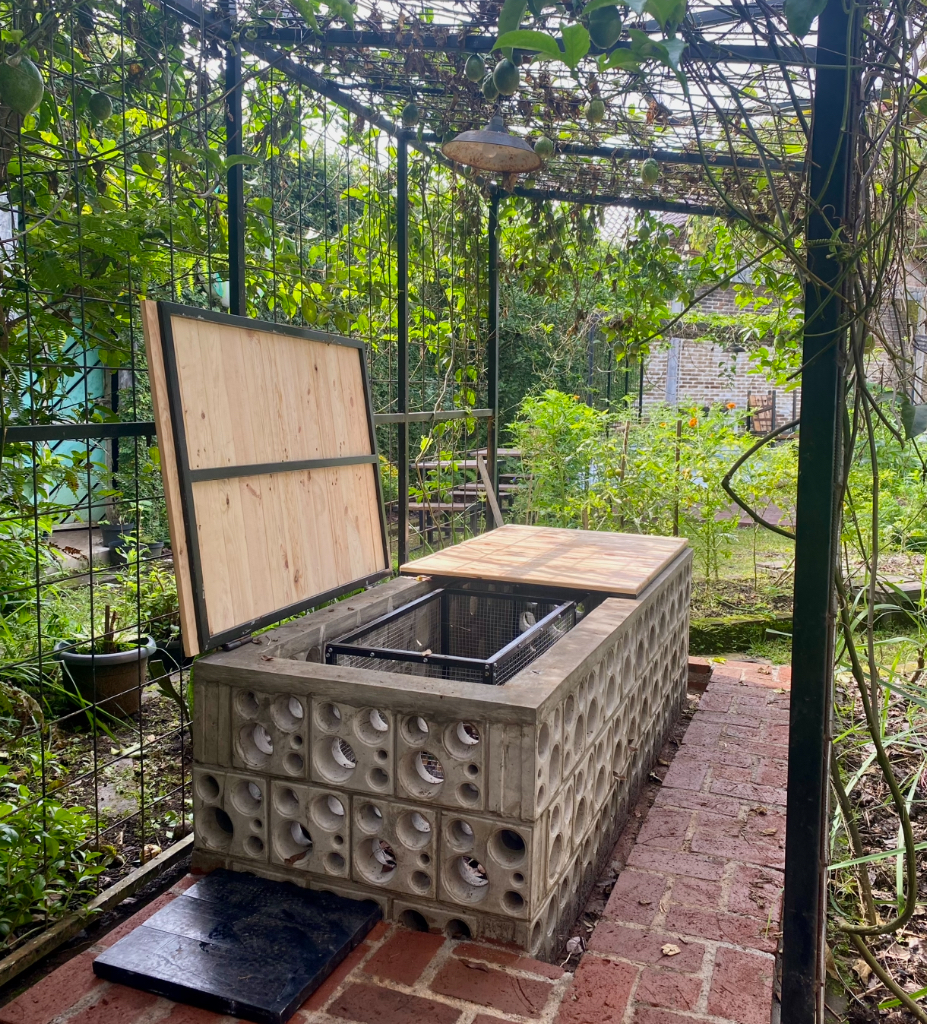
Our composting approach is built as a living system — guided by observation, adaptation, and continuous learning rather than fixed formulas.
1
Observation First
Every compost system begins with understanding its context. We observe local materials, climate, waste streams, and daily practices before designing any process.
2
Working with Microbes
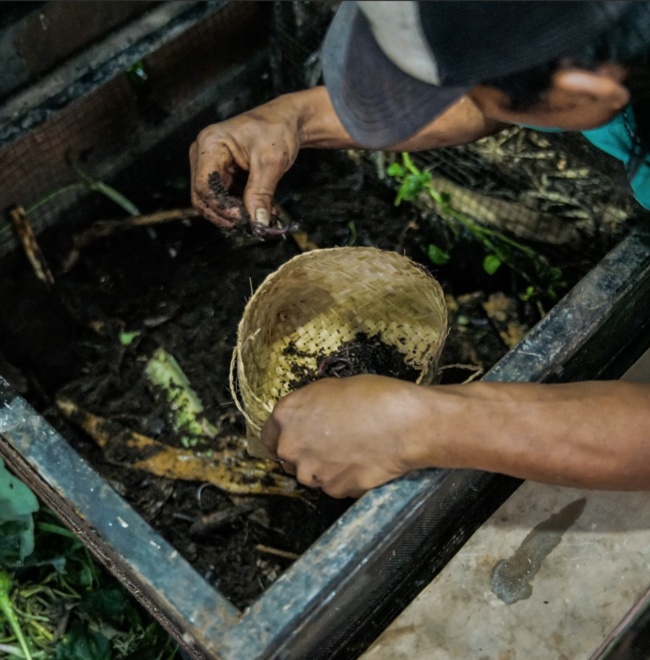
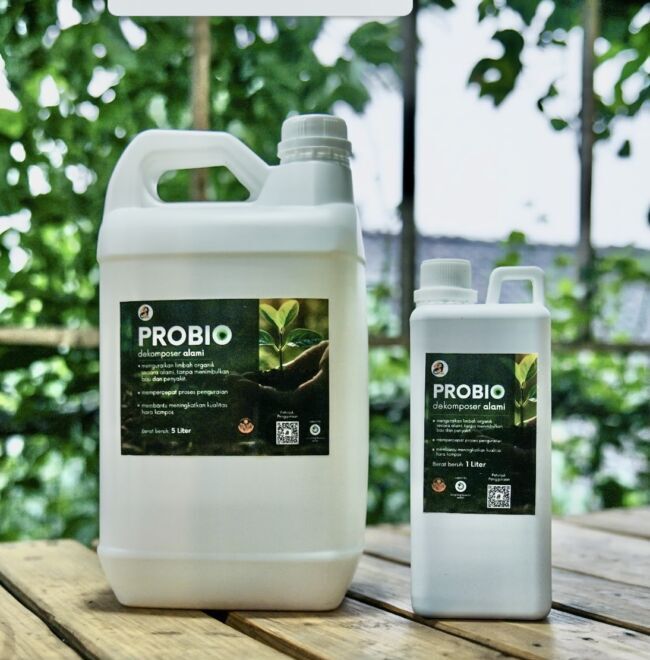
Microorganisms are at the heart of composting. We work with microbial communities to support natural decomposition processes that build healthy, living soil.
3
Adaptive Design
Instead of one standard method, each system is adjusted over time. Composting methods evolve based on material changes, usage patterns, and environmental conditions.
4
Nature Intelligence
Our compost systems are guided by nature intelligence — learning from natural patterns rather than forcing control. By observing microbial activity, material flow, climate, and daily human behavior, we design systems that adapt naturally over time.
5
From Waste to Resource
Through careful management and ongoing learning, organic waste is transformed into compost that supports soil regeneration, food systems, and local ecological cycles.
6
Design for Ownership
Because each system is designed around real needs and local conditions, users develop a stronger sense of ownership. The system belongs to them — not as a mass-produced solution, but as a practice they understand, care for, and grow with.
Learning Centre & Sustainable Hub
Our Compost Center functions as a living laboratory and learning space. It is where theory meets practice—through compost piles, worms, soil, and community participation.
We host workshops, training programs, and educational sessions on composting, soil regeneration, and sustainable waste management. These programs are designed for communities, schools, organizations, and eco-projects seeking hands-on experience and practical knowledge.
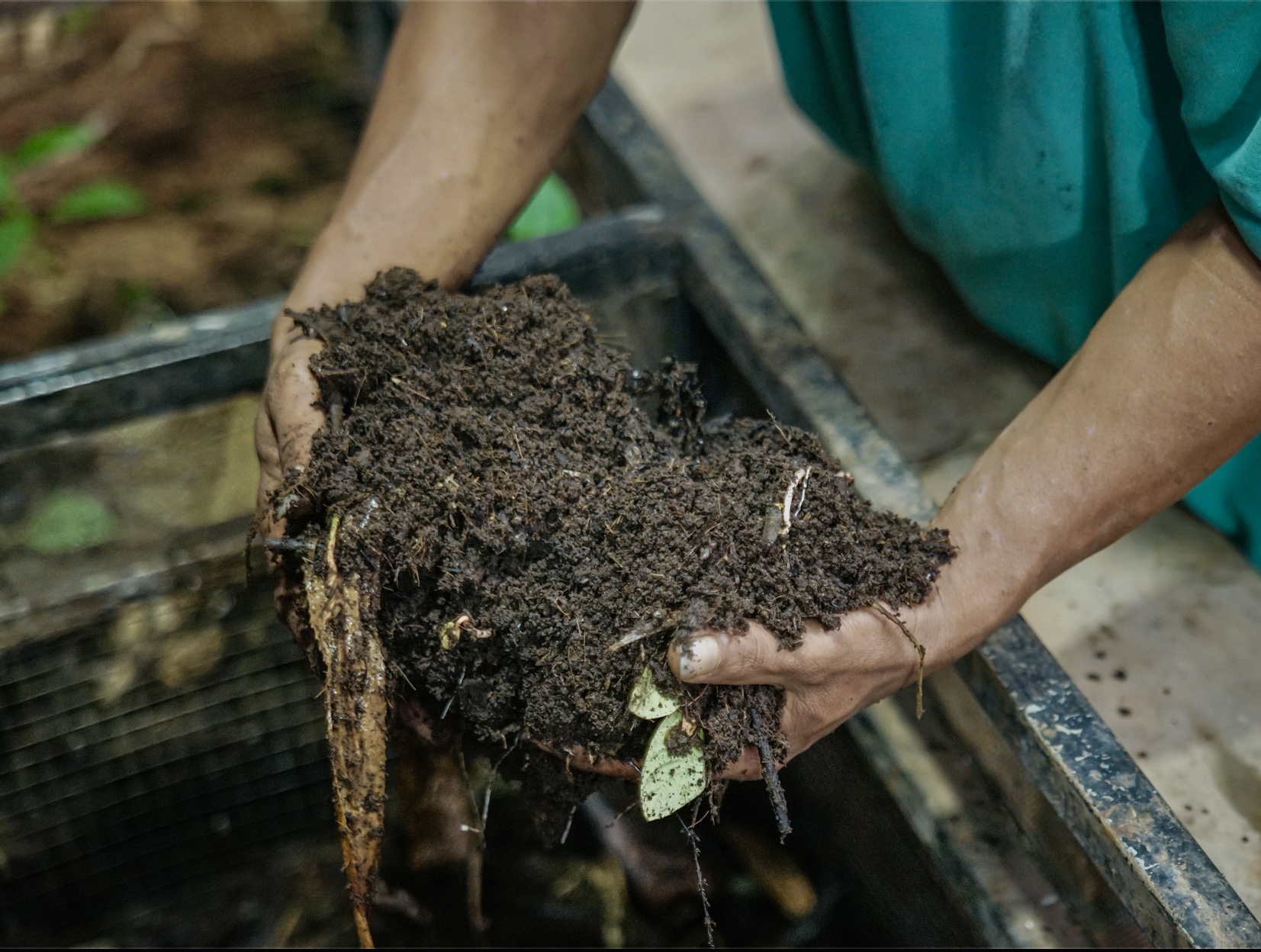
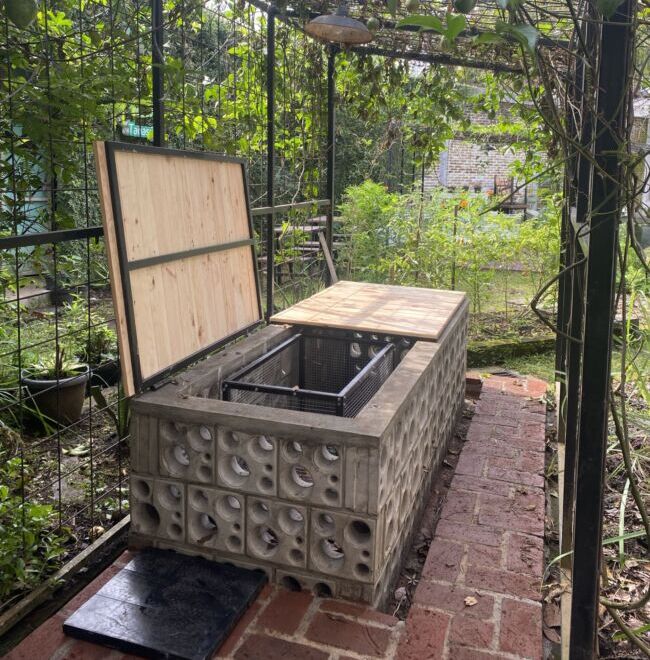
We design and implement composting systems across Indonesia, shaped by local ecosystems, communities, and everyday practices.
Our LIVING LABORATORY
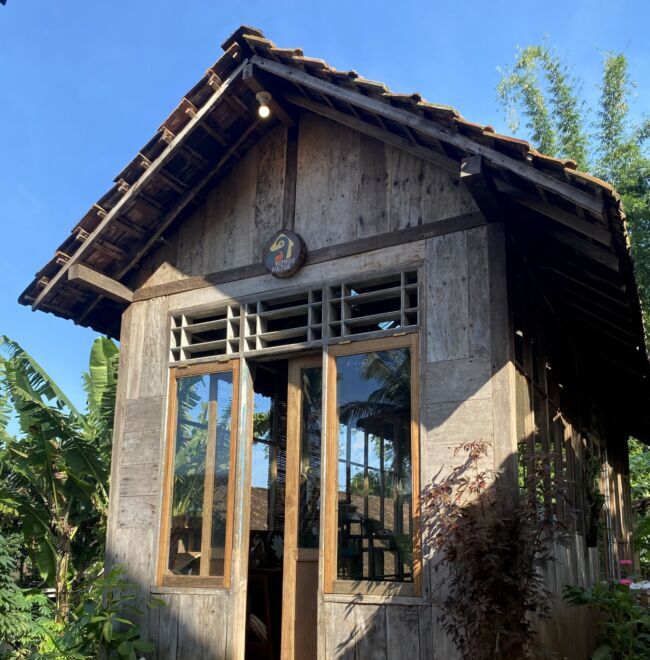
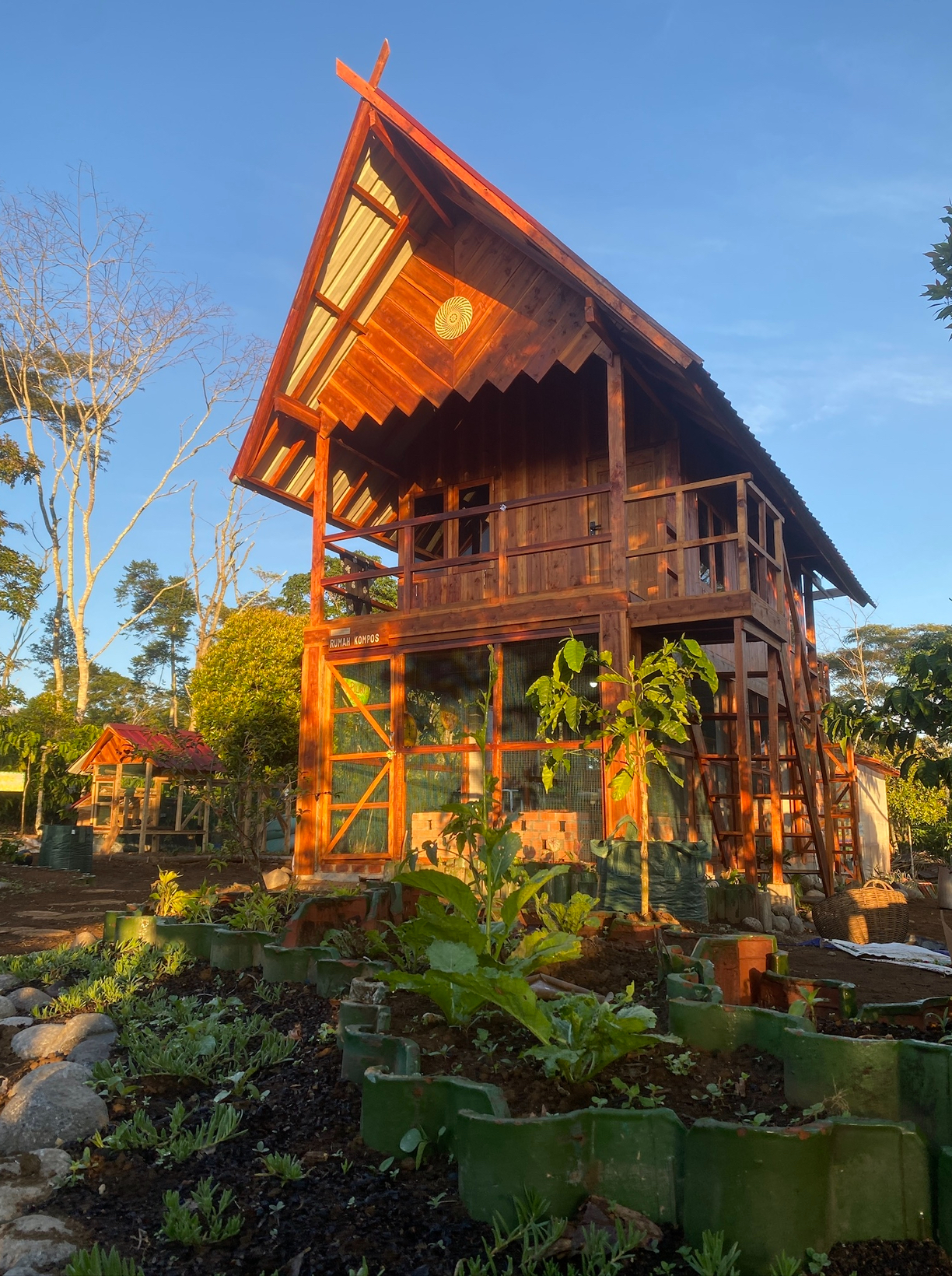
RUMAH MAIASAURA
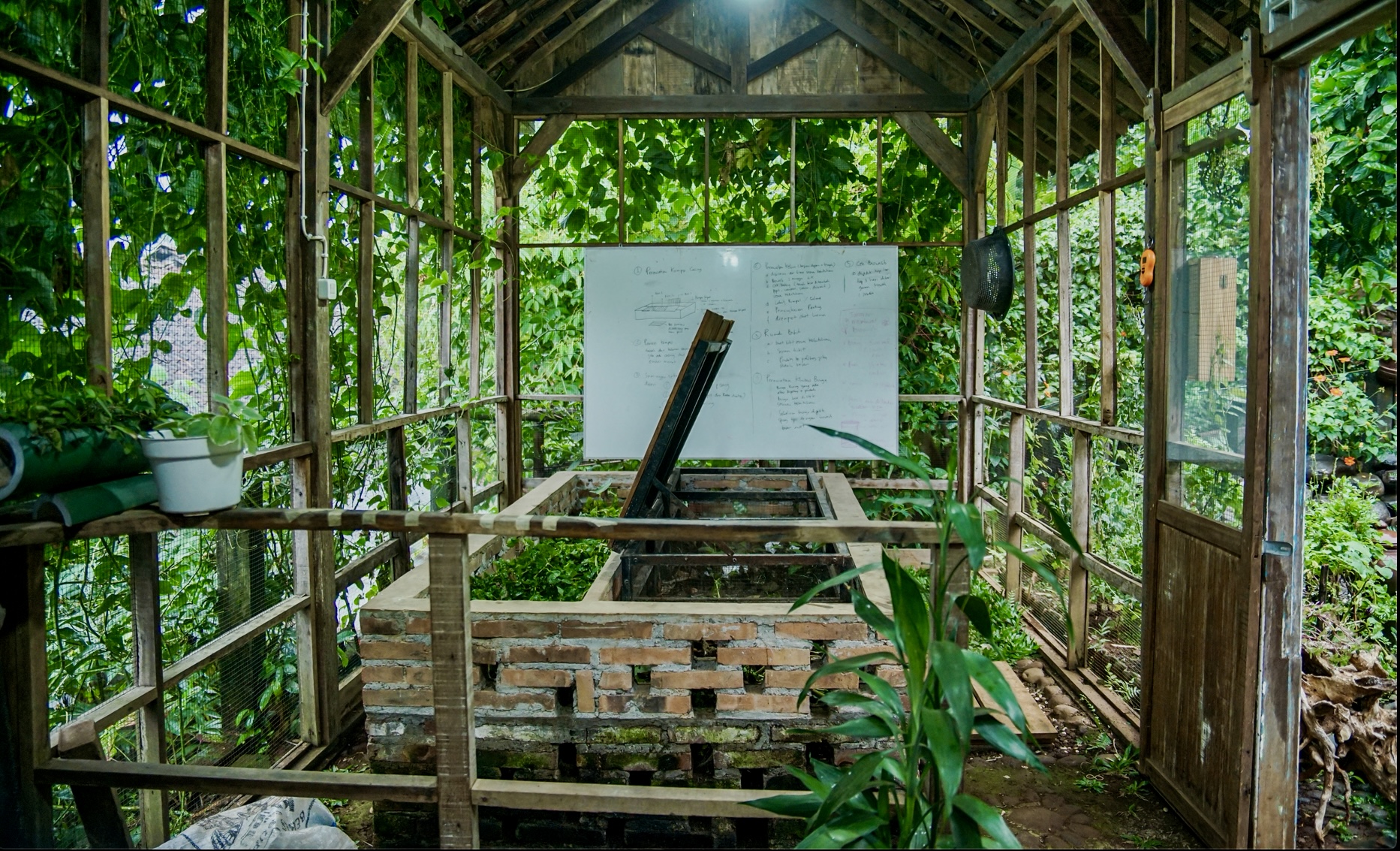
Rumah Maiasaura is our flagship pilot project and living laboratory. It is where composting systems, regenerative gardens, and learning spaces come together as part of everyday life.
Here, systems are not only designed — they are lived with, adjusted, and continuously learned from.
Kompos kultur
OUR VALUES
Our work is guided by values that grow from daily practice, community relationships, and care for living systems.Our work is guided by values that grow from daily practice, community relationships, and care for living systems.
01
Culture First
We begin with culture before tools or technology. Composting and regeneration can only take root when they
02
Circular by Nature
We see organic waste as part of a continuous cycle. Materials are returned to the soil, resources are reused, and systems are designed to support long-term ecological balance.
03
Inclusive and Practice Driven
Our spaces and programs are designed to be accessible and inclusive. Learning happens through participation, observation, and hands-on practice — open to all abilities and backgrounds.
Community Program
We design community programs that promote participation, shared responsibility, and environmental learning—open and accessible to people of all abilities and backgrounds.
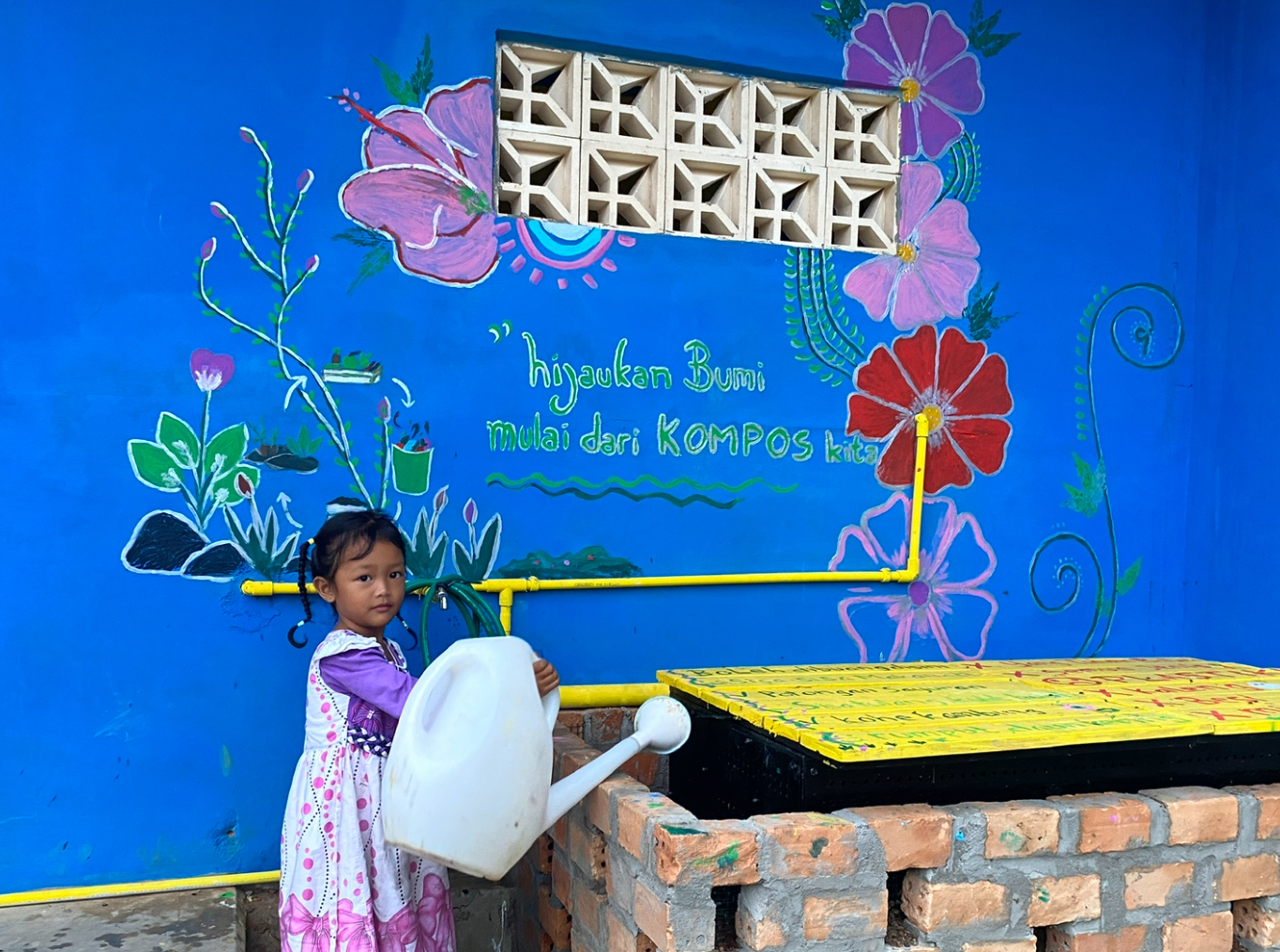
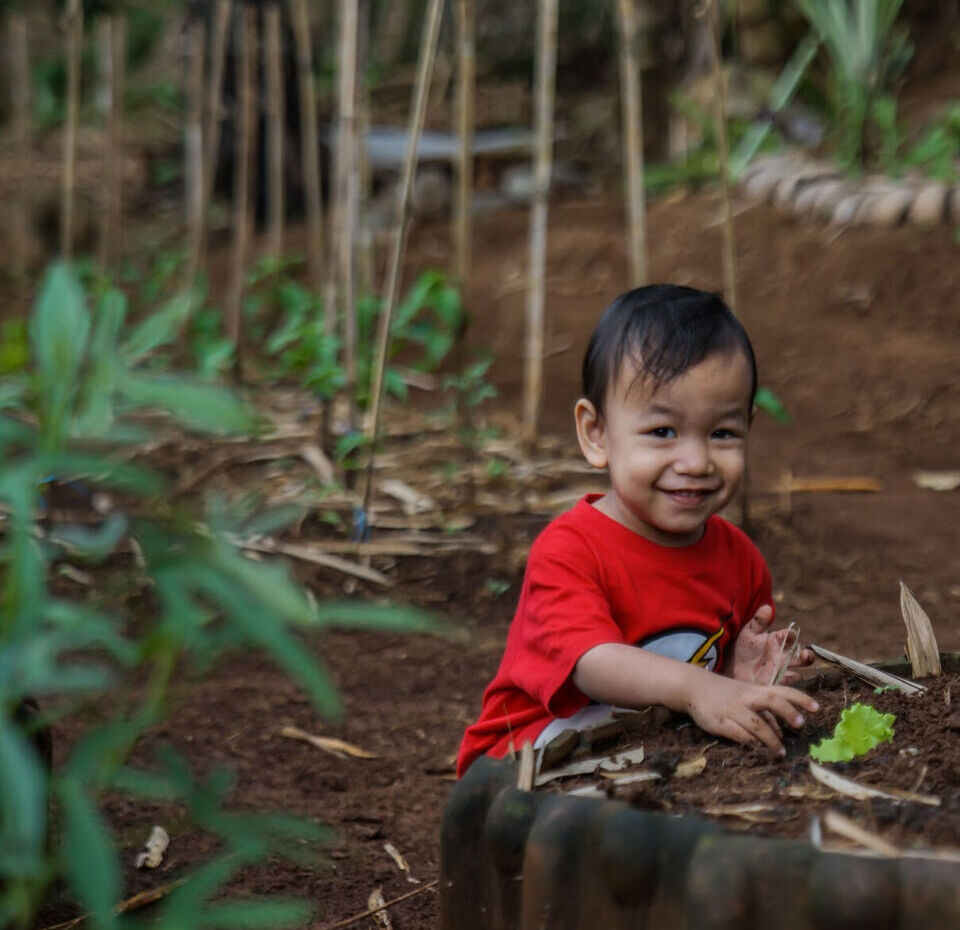
We work with schools and youth groups to introduce composting, gardening, and environmental care as part of everyday learning. Through hands-on activities, workshops, and site visits, young people explore the connection between food, waste, soil, and ecosystems—building awareness and long-term habits from an early age.
Our programs support women as key agents of change in households and communities. Through composting, gardening, and circular practices, we create spaces for learning, skill-building, and collective action that strengthen leadership, economic resilience, and sustainable livelihoods.
We collaborate with communities to develop composting systems and environmental programs that respond to local needs. Our work is grounded in collaboration with indigenous communities, and people with disabilities honoring local knowledge while fostering inclusion, shared responsibility, and practical action to care for the environment.